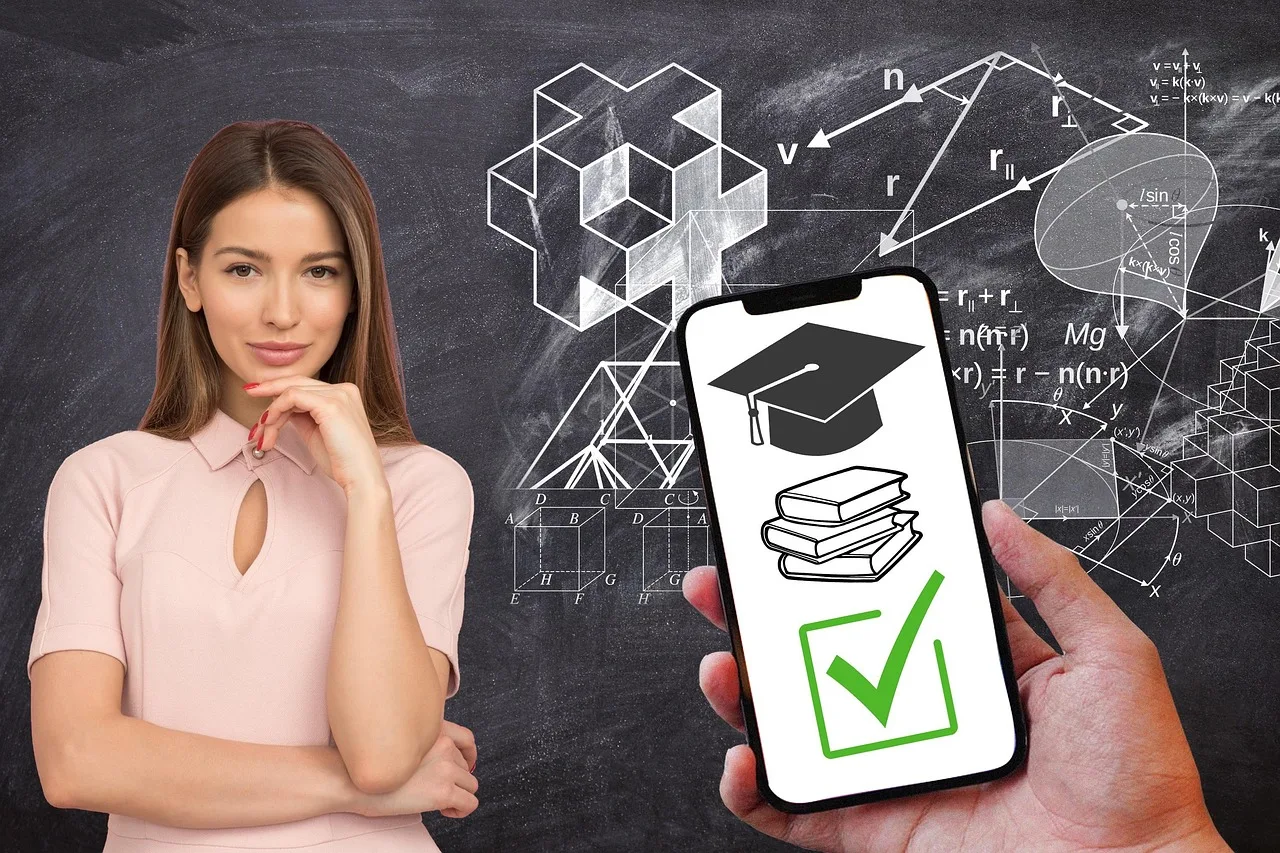
Physics and Math Tutor in St. Petersburg
Looking for focused, effective physics and math tutoring in St. Petersburg? Whether you’re preparing for exams, catching up after a difficult semester, or aiming to deepen your understanding of advanced topics, a tailored tutoring approach can transform confusion into confidence.
Why choose a local tutor in St. Petersburg
— *Personalized attention* that classroom sizes can’t provide.
— *Context-aware guidance*: tutors familiar with local schools, curricula, and exam formats.
— Flexible scheduling that fits St. Petersburg students’ routines (after school, weekends, or intensive holiday blocks).
— Opportunities for in-person sessions across the city or high-quality online lessons if you prefer remote learning.
Who benefits most
— High school students preparing for final exams or standardized tests.
— University students needing help with calculus, mechanics, electromagnetism, or mathematical methods.
— Students aiming for competition math, physics olympiads, or advanced placement.
— Adults refreshing skills for career changes or continuing education.
Core services offered
— One-on-one tutoring (in-person or online)
— Small-group sessions for peer learning
— Exam preparation (midterms, finals, entrance exams)
— Homework help and concept clarification
— Curriculum planning and progress tracking
— Problem-solving workshops and mock exams
Typical tutoring approach
— Assessment: quick diagnostic to find strengths and gaps.
— Goal setting: define short-term milestones and long-term objectives.
— Structured lessons: concept review, targeted practice, and application problems.
— Regular feedback: homework, progress reports, and adjustments to the plan.
— Exam strategies: time management, question prioritization, and common pitfalls.
Sample topics covered
— Mathematics: algebra, geometry, trigonometry, precalculus, calculus (differentiation, integration, multivariable), linear algebra, probability and statistics.
— Physics: kinematics, dynamics, energy and momentum, thermodynamics, waves and optics, electricity and magnetism, modern physics, and lab concept support.
Typical session structure (60 minutes)
1. Quick review of previous material (5–10 min)
2. Targeted instruction on one key concept (20–25 min)
3. Guided practice with progressively harder problems (20 min)
4. Summary, homework assignment, and next steps (5–10 min)
Pricing & scheduling (guidelines)
— Hourly rates vary by experience and session type (one-on-one vs group).
— Packages and discounted bulk sessions are common and encourage progress.
— Flexible times: evenings and weekends popular with school-age learners.
How to choose the right tutor
— Look for tutors with a proven track record, clear lesson plans, and references.
— Ask for a trial session to test teaching style and rapport.
— Confirm familiarity with the specific curriculum or exams you’re preparing for.
— Ensure they provide measurable goals and regular assessments.
Getting started
— Decide on goals (raise a grade, pass a test, master a topic).
— Schedule a diagnostic session.
— Agree on a lesson plan, frequency, and communication method.
— Track progress and adjust as needed.
Final note
A good physics and math tutor turns frustration into understanding and builds lasting problem-solving skills. If you’re in St. Petersburg and ready to improve clarity, confidence, and results, start with a short diagnostic session and set a clear roadmap to your goals.
For recommendations, trial booking tips, or sample lesson outlines tailored to your level, I can prepare a personalized plan — tell me your grade level, main goals, and preferred schedule.